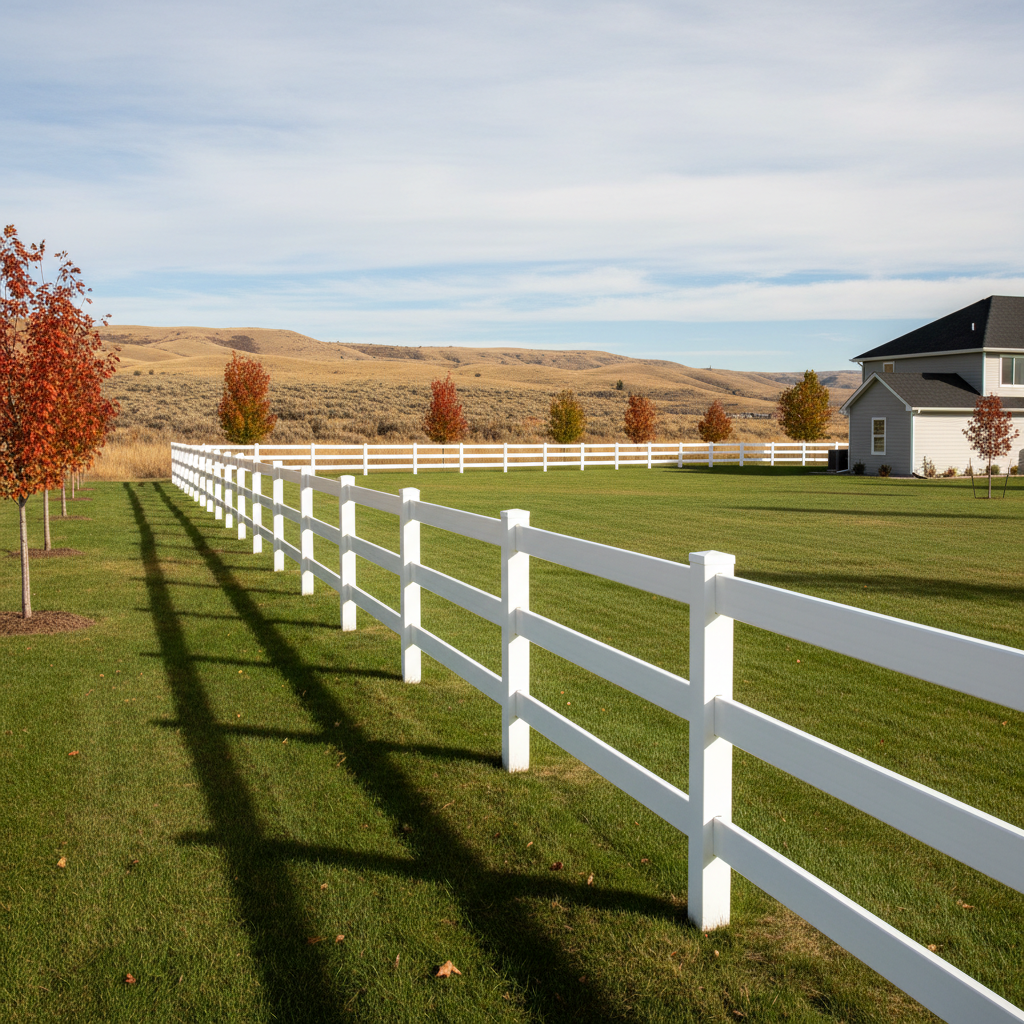
Your farm fence isn't just a boundary; it's a critical part of your operation. It keeps your livestock in, unwanted guests out, and defines your property. Here in Boise, with our hot, dry summers and sometimes snowy winters, that fence takes a beating. You've put good money into it, so let's make sure it lasts. This isn't rocket science, but a little regular attention goes a long way.
Extending Your Fence's Lifespan from Day One
The best way to extend your fence's life starts before it's even built. Choosing the right materials for our climate is key. For wood fences, that means pressure-treated posts that can stand up to our sometimes-soggy spring soil and the dry-out cycles. For wire, you want quality galvanized options that resist rust. When we build fences at Oasis Fencing Co, we're always thinking about longevity, from post depth to proper tensioning.
Good drainage around posts is another big one. If water pools around the base of your posts, especially wood ones, they're going to rot out faster than you can say 'new fence.' Make sure the ground slopes slightly away from the posts, or consider gravel collars if you're in a low-lying area. Even a small detail like using post caps on wood posts can prevent water from soaking into the end grain and causing rot from the top down.
What Regular Maintenance Looks Like
Think of your fence like any other piece of equipment on your farm – it needs regular checks. I'd say at least twice a year, do a full walk-through. Spring is perfect after the snow melts and things start greening up, and then again in the fall before winter sets in. Here's what you're looking for:
- Check Tension: For wire fences, make sure the wires are still taut. Loose wires are useless. You might need to re-tension them, especially after temperature fluctuations cause expansion and contraction.
- Inspect Posts: Look for any signs of rot, especially at ground level. Give them a good shove – if they wobble more than they should, you've got a problem brewing. Check for cracks or splits in wood posts.
- Look at Fasteners: Are staples holding strong? Are screws tight? Rusting fasteners can fail, letting wires sag or boards come loose. Replace any that look compromised.
- Clear Vegetation: Weeds, brush, and even tree branches growing against or over your fence can cause damage. They hold moisture against wood, can snag wire, and make it easier for animals to push through. Keep a clear perimeter.
- Gate Hardware: Gates get the most wear and tear. Latch mechanisms, hinges, and braces need to be secure and operating smoothly. A sagging gate is a pain and can put undue stress on your fence posts.
For wood fences, a fresh coat of stain or sealant every few years can really protect the wood from UV damage and moisture. It's an extra step, but it pays off in the long run by preventing checking and splintering.
Warning Signs You Can't Ignore
Sometimes, problems announce themselves pretty clearly. Don't put off addressing these:
- Sagging Wires or Boards: This is an obvious one. If your wires are drooping or boards are coming loose, your fence isn't doing its job. It's an invitation for animals to push through or get tangled.
- Wobbly Posts: If a post is rocking in the ground, it's either rotted at the base or the concrete footing has failed. This needs immediate attention before the whole section of fence collapses.
- Rust: While some surface rust on wire is normal over time, heavy rust that's flaking or eating through the wire means it's structurally compromised.
- Animal Damage: If you see signs of animals pushing through, rubbing against, or chewing on your fence, you need to reinforce that section. Sometimes a simple patch isn't enough; you might need to add a hot wire or stronger material.
- Broken Strands or Boards: Obvious breaks mean your fence is no longer secure. Get these fixed right away.
When to Call a Professional
Look, I'm a big believer in doing what you can yourself. But there are times when you need to bring in the pros. If you've got multiple sections of fence failing, or if you're dealing with deeply rotted posts that require specialized equipment to remove and replace properly, that's when you call us. If your wire fence tension is off across a long stretch and you don't have the right tools to re-tension it safely, a professional can handle it efficiently.
Sometimes, a repair might seem simple, but if it's not done right, it can put stress on other parts of the fence and lead to more problems down the line. We see a lot of DIY repairs that end up costing more in the long run because they weren't robust enough for the job. If you're unsure, or if the job feels bigger than your weekend can handle, give Oasis Fencing Co a call. We're happy to come out, assess the situation, and give you an honest opinion on whether it's a quick fix or something more involved. Keeping your farm running smoothly means keeping your fences in top shape, and sometimes, that means getting a little help.