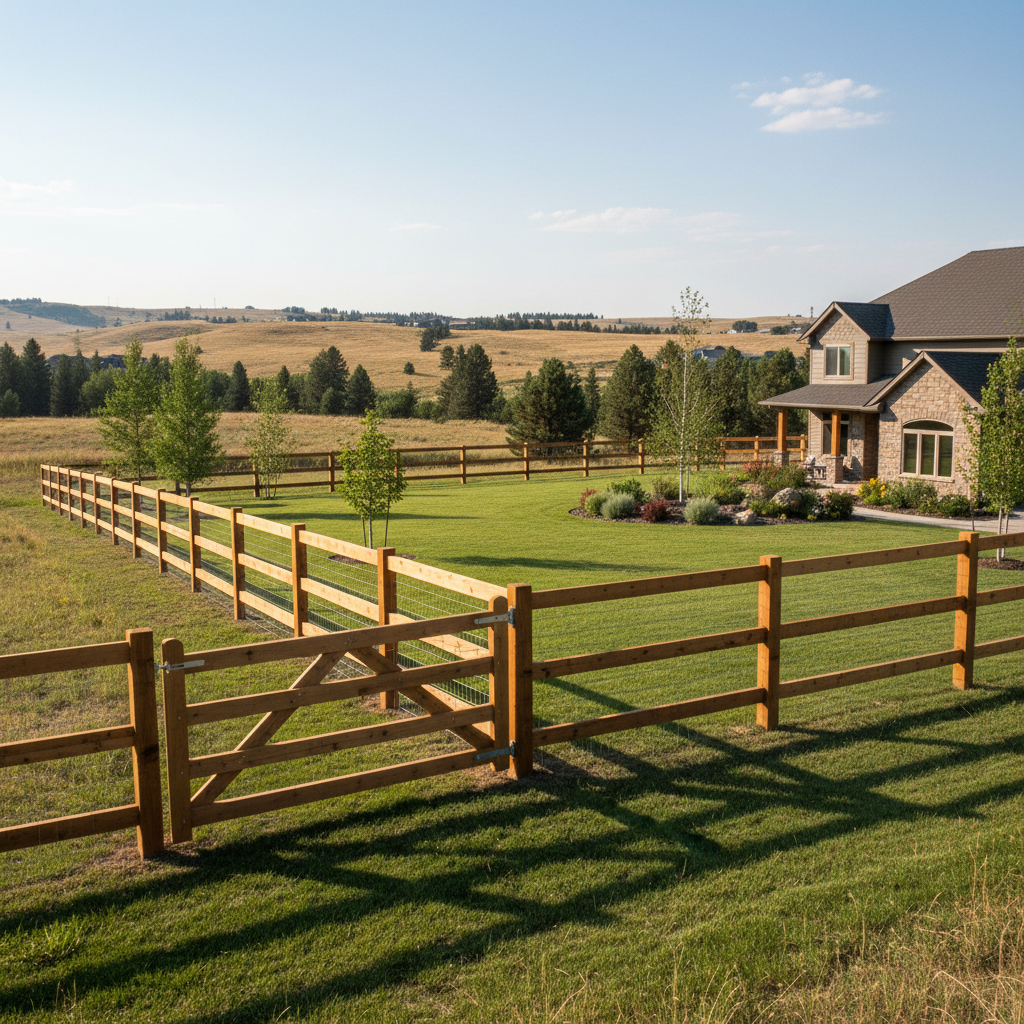
Alright, let us talk about farm fencing right here in Boise. It is not like putting up a little picket fence in a suburban backyard. You have got land, and maybe you have some animals, and you need something that is going to stand up to our Idaho weather and do its job right. I have seen many projects over the years, and the ones that go smoothly always start with good planning. So, here is my take on getting your farm fencing project done right for your Boise property.
Understanding Your Farm Fencing Timeline in Boise
A farm fence is not a weekend warrior project, even if you are doing some of the work yourself. From your first idea to the final post, you are looking at a few months, at least, for a good-sized farm fencing project. Here is a breakdown of what that timeline usually looks like for farm fencing in Boise:
- Initial Research and Planning (2-4 weeks): This is where you figure out what kind of farm fence you need, what materials make sense for your animals and your property, and you also start looking into local regulations for farm fencing in Boise.
- Getting Bids and Choosing a Contractor (2-4 weeks): Do not rush this part. Get a few quotes for your farm fencing, talk to the contractors, and make sure they understand your specific needs for your Boise farm fencing project.
- Permits and Approvals (4-8 weeks, or more): This is often the biggest variable. Boise requires a fence permit from the Planning and Development Services department for all new fence construction, even if it is just a zoning review. If your property is in unincorporated Ada County, you might not need a building permit for fences, but you will still need to meet zoning standards. If you are dealing with property line adjustments or agricultural splits, that can also add even more time to your Boise farm fencing project.
- Material Ordering and Delivery (2-6 weeks): Specialized farm fencing materials are not always sitting on a shelf. Lead times can vary, especially for custom gates or specific types of wire for your farm fencing in Boise.
- Installation (1-4 weeks, or more): This depends on the size of your farm fencing project, the terrain, and the weather. Our Boise winters can be pretty cold and snowy, and summers are hot and dry. You do not want to be digging post holes in frozen ground or pouring concrete in a downpour for your farm fencing.
What to Expect During the Farm Fencing Process in Boise
Once you have got a contractor lined up and permits in hand for your farm fencing, here is what typically happens:
Site Preparation for Your Boise Farm Fence
Before any digging starts for your farm fencing, your contractor will likely mark out the fence line. This is where a property survey comes in handy, especially if you are near a property line. You do not want to accidentally build on your neighbor's land in Boise. You will also need to call 811 before digging to locate any underground utilities. This is not negotiable and keeps everyone safe during your farm fencing installation.
Post Installation for Farm Fencing in Boise
This is the backbone of your farm fence. In Boise, our soil can be tricky. North of the Boise River, you have got dense clay in places like Eagle, Star, and the Boise Bench. South of the river, it is often caliche, which is a hardpan. Both of these hold moisture against posts, which can speed up rot and make freeze-thaw cycles a real problem for farm fencing. Proper post depth — usually 30-36 inches below the 24-inch frost line — and a good amount of wet-set concrete are important here to prevent frost heave from pushing your posts right out of the ground in a couple of winters for your Boise farm fence.
Fencing Material Installation for Boise Farm Fencing
Once the posts are solid, the actual farm fencing goes up. This could be woven wire, barbed wire (which is allowed in agricultural zones in Boise), high-tensile, or whatever you have chosen for your farm fencing. Your contractor will make sure it is properly tensioned and secured for the type of animals you are containing. Remember, Idaho's Title 35 statutes define what a