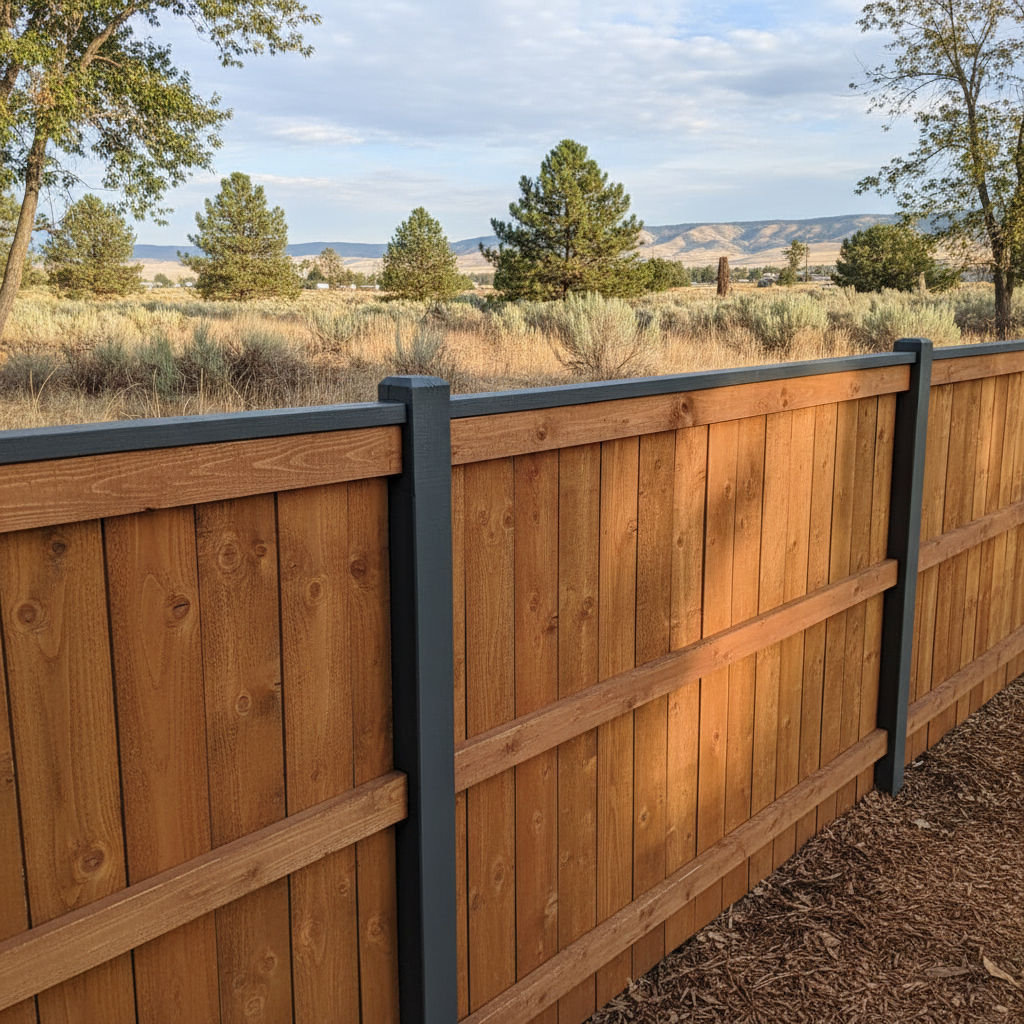
Alright, let's chat about keeping your fence looking sharp. Doesn't matter if it's wood, metal, or something else entirely, a fresh coat of stain or paint isn't just for looks. It's actually a shield, protecting your investment from those scorching Boise summers and our often-chilly, wet winters. But the big question is: should you tackle this yourself, or is it a job best handed off to folks like us at Oasis Fencing Co?
Before You Even Think About Grabbing a Brush
First things first, and this is a big one: what kind of fence do you actually have? A wood fence needs stain or paint, sure, but a metal one (like ornamental iron or aluminum) demands totally different prep and products. You wouldn't put wood stain on wrought iron, right? Also, peek at the weather forecast. You'll need a few consecutive days of dry, mild temperatures – nothing too hot, nothing too cold. Trying to paint when it's 95 degrees or when rain's on the way? That's just asking for trouble, and frankly, a waste of your precious time and money.
Next up, give your fence a good once-over. Is it brand new? Lucky you, less prep work. Is it old, peeling, or covered in mildew? Well, that's a whole different ballgame. You'll have to clean it really, really well. For wood, a careful power wash (don't splinter the wood!) or a good scrub with a stiff brush and a wood cleaner/brightener usually does the trick. For metal, you might need to wire brush off rust or loose paint, then hit it with a degreaser. Seriously, don't skip this step. The fanciest stain or paint in the world won't stick to a dirty, flaky surface.
Picking Your Product: Stain vs. Paint
This part really comes down to what you like and what your fence is made of. For wood fences, stain is super popular because it lets that natural grain peek through, and it soaks into the wood, giving it solid protection. You've got options: transparent, semi-transparent, and solid stains. Transparent protects the least but shows the most grain; solid protects the most and looks a lot like paint. Paint, on the other hand, gives you a solid color, often lasts longer than stain, and can hide imperfections better. The catch? It sits on top of the wood, making it more prone to peeling if you don't prep things just right.
When it comes to metal fences, you're almost always looking at paint. Specifically, exterior metal paint designed to stop rust. Some even have rust converters mixed in. Just make sure it's the right kind for your metal – aluminum, steel, you get the idea. A good metal primer is often a smart move too, especially if there's any rust or if you're making a dramatic color change.
DIY: When It Makes Sense
If your fence is relatively new, clean, and pretty straightforward – say, a simple picket fence or a short cedar run – doing it yourself can be a really satisfying weekend project. You'll need a few things:
- Good quality brushes and rollers (or a sprayer, if you're comfortable using one)
- Drop cloths to shield your plants and that nice concrete patio
- Painter's tape for those crisp lines
- Safety gear: gloves, eye protection, and a mask if you're spraying
- And, oh yeah, plenty of patience
The secret to a good DIY job is preparation and not rushing. Take your sweet time with the cleaning and drying. Apply thin, even coats. Don't try to finish a huge fence in one day; it's just not realistic. For a typical 6-foot tall privacy fence, especially one with a ton of pickets, it's way more work than most people realize. If you live in a newer subdivision, like those out by Chinden, where fences are often pretty uniform, it might be an easier DIY. But if your fence is older and more complex, well, that's a different story.
Calling a Pro: When It's Worth Every Penny
Here's when you should seriously think about bringing in the experts:
- Big or Tricky Fences: Got a really long perimeter fence, or one with intricate designs? That's hours, maybe even days, of work. We've got the right gear and crew to knock it out efficiently.
- Rough Shape: If your fence is super weathered, has a lot of peeling paint, or significant mildew/rot, it needs more than just a quick clean. Pros know how to properly restore and prep these surfaces so the finish actually lasts.
- Metal Fences: Especially if you have an older ornamental iron fence that's showing a lot of rust. Proper rust treatment, priming, and painting for metal is a specialized skill, after all.
- Time is Money: Let's be honest, your weekend is precious. If you'd rather spend it hiking Table Rock or floating the Boise River, then hiring someone to do the dirty work just makes sense.
- Sprayer Skills: Getting a professional-looking finish with a sprayer takes practice. Without it, you can end up with drips, uneven coverage, and overspray on everything nearby. No fun.
Ultimately, whether you DIY or hire us at Oasis Fencing Co, the goal is the same: a beautiful, protected fence that really boosts your Boise home. Just be realistic about the time, effort, and skill involved.
After the Job's Done
Once your fence is stained or painted and fully cured (always check the product label for those curing times), you'll want to do a little maintenance. Keep an eye out for any spots you might have missed or areas that show early wear. A quick touch-up can stop bigger problems down the road. For wood fences, think about reapplying a fresh coat of stain every 3-5 years, depending on the product and how much sun it gets. Paint might last longer, but watch out for chipping or peeling. Regular cleaning will also help your finish last longer.
Taking care of your fence isn't just about curb appeal; it's about protecting your property and making sure your investment lasts. Choose wisely, prep thoroughly, and you'll have a fence that looks great for years to come.