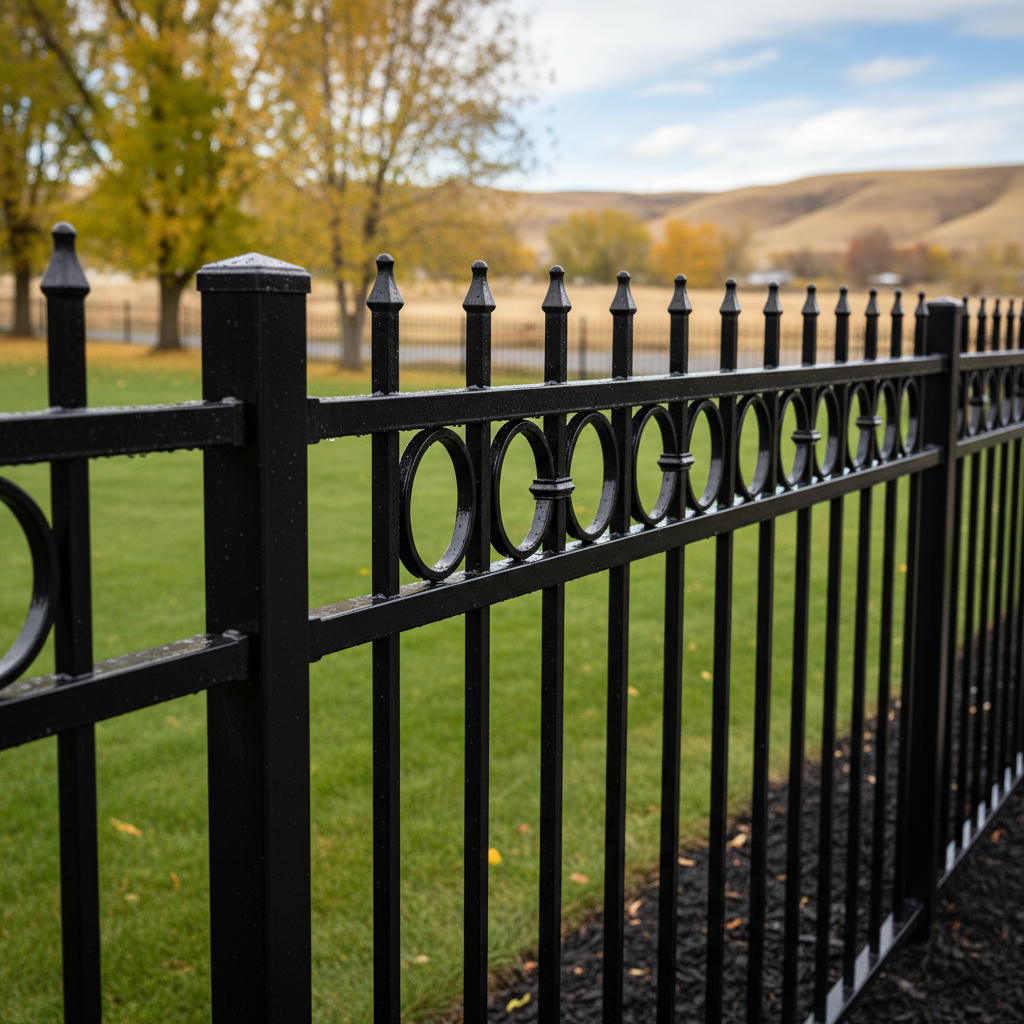
Alright, let's talk about ornamental iron fences. These aren't your grandpa's chain link, that's for sure. Homeowners all over Boise — from the North End to the Bench — often ask me similar things when they're thinking about this kind of fencing. It's a big investment, after all, and you want to get it right. So, I'm just going to lay out some of the most common questions I hear and give you the straight scoop.
What's the real difference between wrought iron and ornamental iron?
This is probably the most common question we get, and it's a good one. Historically, wrought iron was literally 'wrought' or worked by hand, heated and hammered into shape by a blacksmith. It's incredibly strong, super durable, and has a distinct, often irregular, look to it. The problem? It's really expensive, and very few people still make it that way today.
What we call 'ornamental iron' or 'decorative steel' fencing now is almost always made from steel. It's manufactured, often pre-fabricated in sections, and then welded together. It's still incredibly strong, durable, and beautiful, but it's much more affordable and consistent than true wrought iron. When we talk about iron fences at Oasis Fencing Co., we're almost always referring to these high-quality steel systems. They give you that classic, elegant look without the prohibitive cost of true wrought iron.
How long will an ornamental iron fence last in Boise's climate?
A well-made ornamental iron fence, properly installed and maintained, should last for decades here in Boise. We're talking 30, 40, even 50 years or more. The key, really, is the finish. Most modern ornamental iron fences come with a powder-coated finish, which is tough as nails. It's applied electrostatically and then baked on, creating a much more durable and chip-resistant surface than traditional paint. This is crucial for our climate, especially with our hot, dry summers and those occasional freezing winters. That powder coat protects the steel from rust, which is the biggest enemy of any metal fence.
Do these fences require a lot of maintenance?
Compared to wood, no, not at all. That powder-coated finish I just mentioned does a lot of the heavy lifting. You won't be staining or sealing it every few years. Mostly, it's about keeping it clean. A good rinse with a hose a couple of times a year to get rid of dust and dirt, maybe a little mild soap and water for stubborn spots. The main thing you'll want to watch for is any chips or scratches in the powder coat. If you see one, especially if it's down to the bare metal, touch it up with some exterior-grade paint designed for metal. Catching those early prevents rust from spreading. It's a pretty low-fuss fence, honestly.
Are there different styles or designs available?
Absolutely. That's one of the best parts about ornamental iron. You can go for a very simple, classic look with straight pickets and a flat top rail. Or, you can get much more decorative with finials (those pointy tops), rings, scrolls, and even custom designs. We've done everything from sleek, modern designs to intricate, old-world patterns for homes in areas like Hyde Park. You can choose the height, the spacing between pickets, and the type of gate. It's really versatile, allowing you to match the fence to your home's architectural style and your personal taste.
How secure are ornamental iron fences for pets and kids?
They're generally very secure, especially for keeping pets and kids contained within your yard. The vertical pickets make them difficult to climb, and the strength of the steel means they're not going to be easily pushed over or broken. For smaller pets, you'll want to pay attention to the picket spacing. We can install fences with narrower spacing to prevent small dogs or cats from slipping through. If you have a real escape artist, sometimes adding a small mesh along the bottom can help, but for most situations, the standard iron fence does a great job of keeping everyone safely inside.
Can I install an ornamental iron fence on a sloped yard?
Yes, you can, but there are a couple of ways to do it, and it affects the look. One common method is 'racking,' where the fence panels are manufactured to angle with the slope of your yard. This creates a continuous top and bottom rail line that follows the terrain. The other method is 'stepping,' where each panel is installed level, but then drops down a step to the next lower panel. This creates a stepped appearance. Racking usually looks more seamless and custom, but it can be a bit more involved to install. Stepping is often simpler and can work well for gradual slopes. We'll always talk through the best approach for your specific yard, especially if you've got some of those steeper slopes you see in the foothills.
What's the typical cost compared to other fence types?
Ornamental iron fencing is definitely an investment, and it typically sits on the higher end of the cost spectrum compared to, say, chain link or even many wood fences. You're paying for the durability, the aesthetic appeal, and the low maintenance. It's usually more expensive upfront than a basic cedar fence, but it's also going to last much longer and require less work over its lifetime. When you factor in the longevity and the property value it adds, many homeowners find it's well worth the initial cost. It's really about what you value – immediate savings or long-term quality and curb appeal, right?