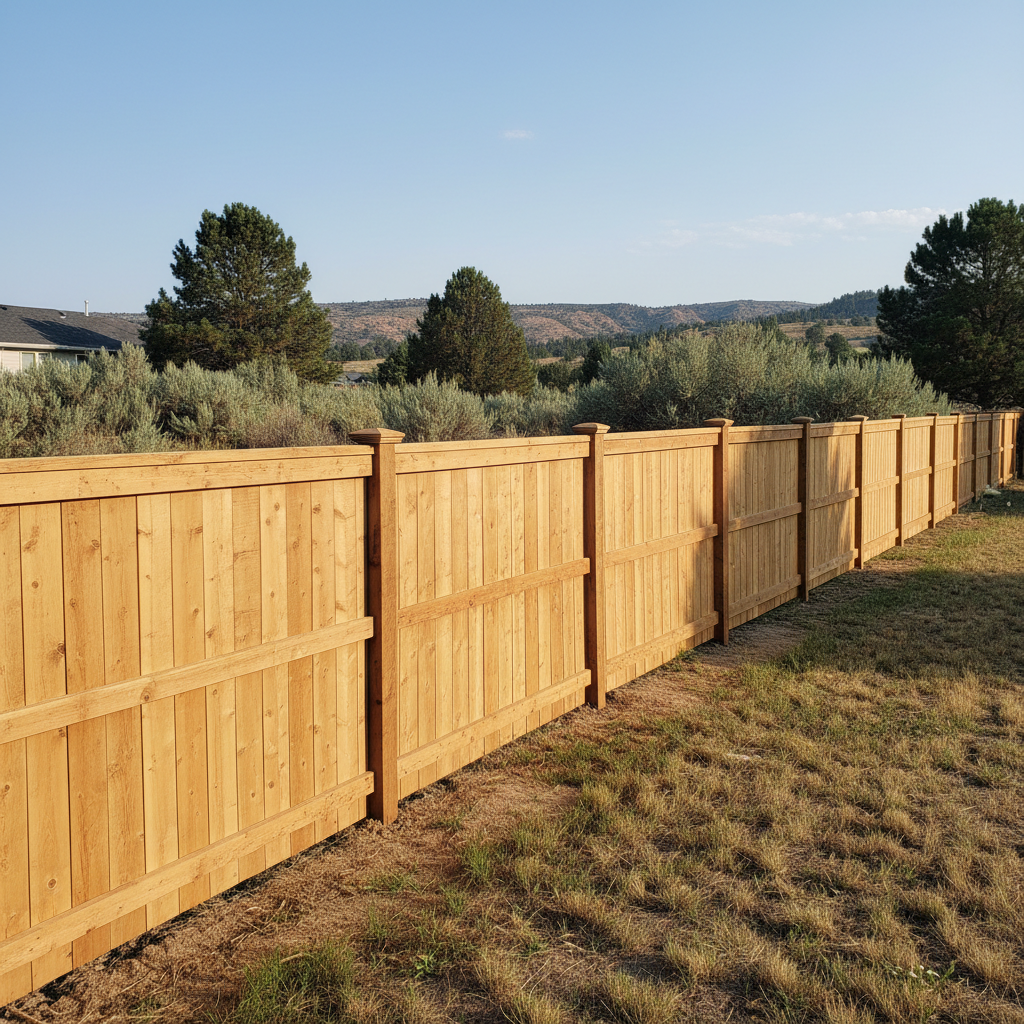
When's the best time to put up a wood fence here in Boise? That's a question I get a lot, and it's a good one because our climate definitely plays a role. You're not just buying a fence; you're investing in your property, and you want it to last.
When to Schedule Your Wood Fence Installation
Honestly, you can install a wood fence pretty much any time of year in Boise, but some seasons are definitely easier on the wood, the crew, and your yard. Spring and fall are usually ideal. The ground isn't frozen solid, and it's not scorching hot.
- Spring (March-May): This is prime time. The ground's thawed out, but it's not too wet. The weather is generally mild, which is great for the crew and for the wood itself as it adjusts to its new environment. Plus, you get to enjoy your new fence all summer.
- Summer (June-August): Sure, we can install fences in the summer. The biggest challenge is the heat. Digging post holes in hard, dry ground, especially in areas like the Boise Bench where the soil can be pretty compacted, is tough work. It also means the wood might dry out faster, so if you're planning to stain or seal, you'll want to do it sooner rather than later to prevent excessive checking or cracking.
- Fall (September-November): Another excellent window. Temperatures are cooling down, and the ground is usually still workable. It's a great way to get your yard buttoned up before winter sets in.
- Winter (December-February): This is the trickiest season for us. If the ground freezes solid, digging post holes becomes a major operation, sometimes requiring specialized equipment, which can add to the cost. We can do it, but it's often slower and more labor-intensive. If you're in a hurry and need a fence installed in winter, we'll make it happen, but it's not our first recommendation for wood.
How Weather Conditions Affect the Work
Beyond the season, daily weather matters. Heavy rain can turn a job site into a muddy mess, making it hard to work efficiently and cleanly. High winds can be a safety concern, especially when handling long fence sections. Extreme heat or cold also slows things down. We always keep an eye on the forecast to make sure we're working safely and effectively. Sometimes that means rescheduling a day or two, but it's always for the best outcome for your fence.
Protecting Your Wood Fence Investment Year-Round
Once your beautiful new wood fence is up, the work isn't entirely done. Wood is a natural material, and it needs a little love to stand up to our Boise weather – from those hot, dry summers to the wet, sometimes snowy winters. Here's what I tell folks:
- Stain or Seal It: This is probably the most important thing you can do. A good quality stain or sealant protects the wood from UV rays, moisture, and rot. Think of it like sunscreen and a raincoat for your fence. Do this within a few weeks or months of installation, once the wood has had a chance to acclimate. Check the manufacturer's recommendations for how often to reapply, but generally, every 2-5 years is a good rule of thumb.
- Keep it Clean: Dirt, mildew, and moss can build up, especially on the north-facing side of your fence. A gentle wash with a hose and a soft brush can do wonders. For tougher spots, a mild bleach solution (1 part bleach to 3 parts water) or a wood-specific cleaner can help, but always test in an inconspicuous area first. Avoid high-pressure washers unless you really know what you're doing, as they can damage the wood fibers.
- Trim Vegetation: Keep bushes, trees, and vines from growing directly on or against your fence. They trap moisture, which leads to rot, and can also scratch or damage the wood. Give your fence some breathing room.
- Check for Damage: Do a quick walk-around once or twice a year. Look for loose boards, wobbly posts, or signs of insect damage. Catching these issues early can prevent bigger, more expensive repairs down the line. If you see anything concerning, give us a call at Oasis Fencing Co. We're happy to take a look.
- Address Drainage: Make sure water isn't pooling at the base of your fence posts. Good drainage helps prevent rot at the ground line, which is a common failure point for wood fences.
Taking these steps will help your wood fence look great and stand strong for years to come, no matter what the Boise seasons throw at it. It's all about being proactive.