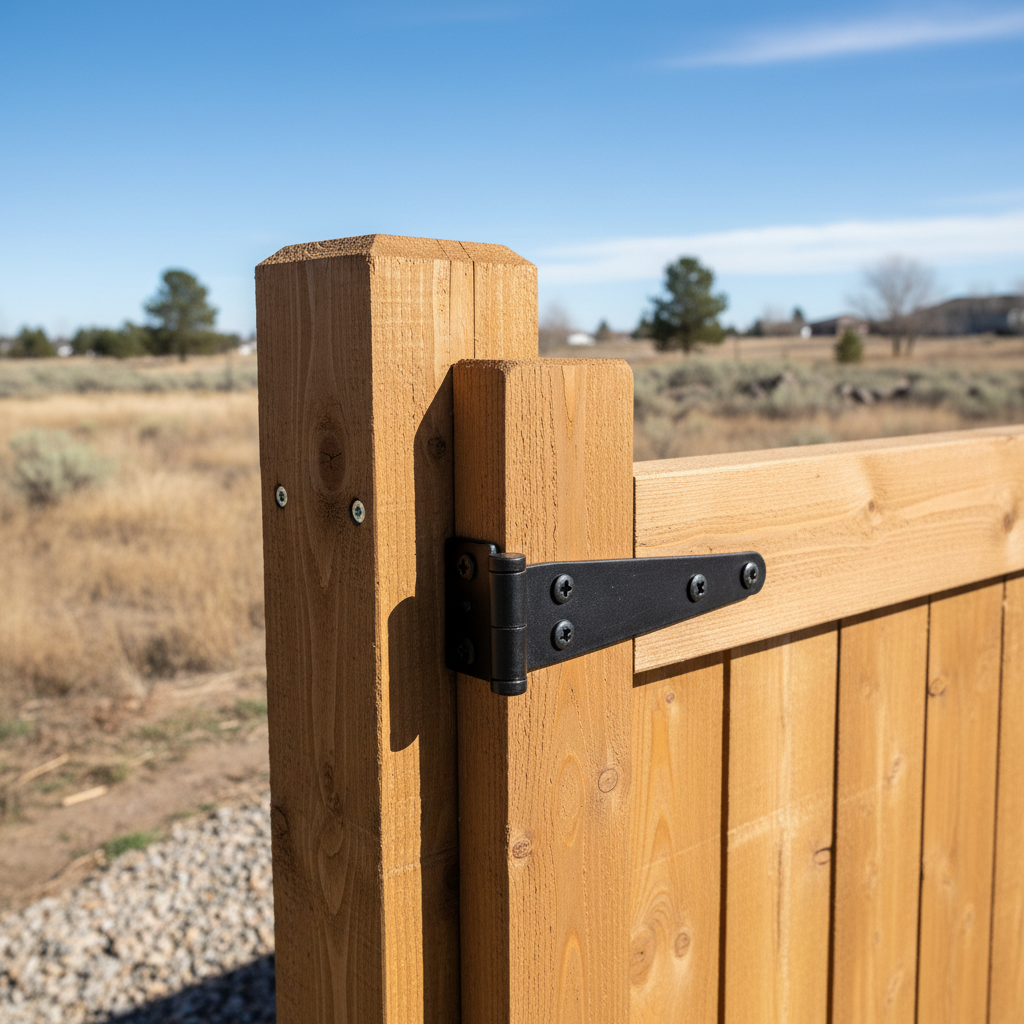
So, you're thinking about putting in a new gate. Maybe it's for your backyard fence, a side yard access point, or even just a small pedestrian gate for your garden. It's a pretty common project homeowners tackle, and honestly, some gates are totally doable for a handy person. But others? You might be biting off more than you can chew, you know? Let's break down what you need to know before, during, and after you start digging.
Before You Even Buy a Gate
First things first, what kind of gate are we even talking about? A simple, lightweight garden gate is a world away from a heavy, double-swing driveway gate. The bigger and heavier the gate, the more critical proper planning and installation become. You've got to think about why you need it. Is it just for looks? For security? To keep pets or kids in? That'll dictate the style, material, and hardware you'll need, naturally.
Next, measure everything. And then measure it again, just to be sure. You need the exact width of your opening, and consider the height of your existing fence line. Don't forget about clearance – will the gate swing freely without hitting the ground, or a house, or a shrub? This is especially important on sloped yards, which we see a lot of here in the Boise foothills. A gate that works great on flat ground might bind up instantly on a slight incline, believe it or not.
Hardware is huge. You'll need hinges, a latch, and maybe a drop rod or a gate stop. For heavier gates, you'll want heavy-duty, adjustable hinges that can handle the weight and allow for future tweaks if the gate sags a bit. Don't skimp here; cheap hardware means a short-lived, frustrating gate experience.
Finally, consider your posts. Are you attaching to existing fence posts? Are they strong enough? If not, you'll need new, dedicated gate posts. These need to be beefier than your typical line posts and set deeper, often with concrete. We're talking 4x6 or even 6x6 posts for anything substantial. If you're replacing an old gate and those posts are wobbly, don't even think about hanging a new gate on them. You'll just be doing the job twice, and who wants that?
During the Installation: DIY vs. Pro
Okay, you've got your gate, your hardware, and your plan. Now for the actual work. For a small, lightweight gate, you can probably handle this yourself if you're comfortable with a drill, a level, and some basic carpentry. Here's the general process:
- Set your posts: If you need new ones, dig deep holes (at least 2-3 feet, or 1/3 the post's height) and set them plumb with concrete. Let that concrete cure fully before hanging anything heavy. This isn't a 24-hour job; give it a few days.
- Attach hinges to the gate: Lay your gate flat and carefully mark and pre-drill for your hinges. Make sure they're aligned perfectly.
- Hang the gate: This is where an extra set of hands is invaluable. Hold the gate in place, use shims to get the right ground clearance, and then mark and attach the hinges to the gate post.
- Install the latch: Test the swing, make any minor adjustments, then install your latch and any other accessories.
Now, when should you call a pro like us at Oasis Fencing Co.?
- Heavy or large gates: Think driveway gates, double gates, or anything over 6 feet wide. These need precise measurements, heavy-duty hardware, and often specialized tools to make sure they hang correctly and don't sag over time.
- Sloped terrain: If your yard isn't flat, a gate installation gets tricky. You need to account for the slope so the gate opens and closes without dragging. Sometimes, a custom-cut gate is the only way to make it work right.
- Security concerns: If this gate is critical for security, you really want it done right. A professional knows how to reinforce posts, choose the most secure hardware, and ensure the gate can't be easily breached.
- Existing post issues: If your current fence posts are rotted, wobbly, or not plumb, you're looking at more than just hanging a gate. You'll need post replacement, which can be a bigger job than you think, especially if there's old concrete to remove.
After the Project: Maintenance Matters
You've got your gate up, and it looks great. Don't just walk away! Gates are moving parts, and they need a little love to keep working smoothly. Regularly check your hinges and latch. Tighten any loose screws. Lubricate hinges with a silicone spray or a little grease, especially after our dusty Boise summers or a wet winter. If your gate is wood, keep an eye out for rot or warping, and reapply stain or sealant as needed. For metal gates, check for rust and touch up any paint. A little preventative maintenance goes a long way in extending the life of your gate and keeping it from becoming a headache down the road.