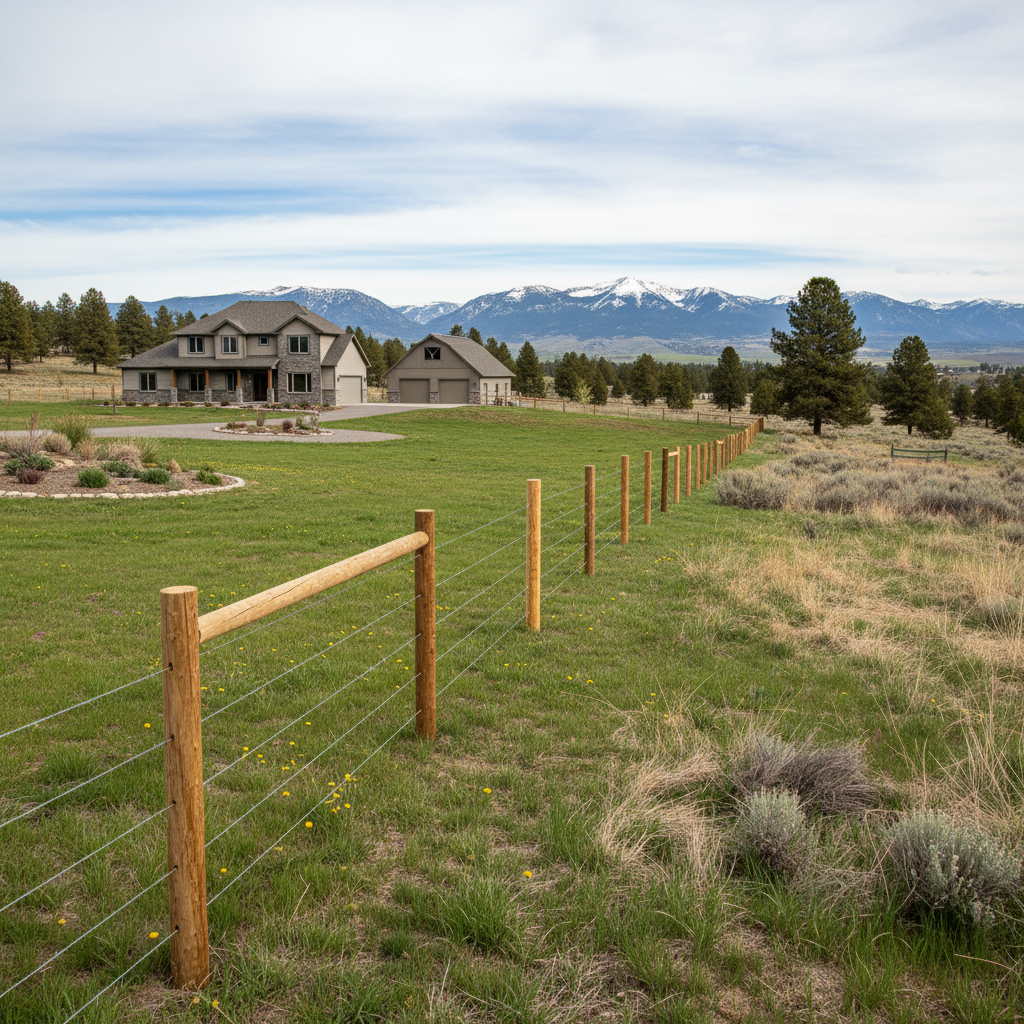
Putting up a new agricultural boundary or pasture enclosure on Treasure Valley acreage takes more than just stretching some wire between wooden posts. Whether you are dividing pastures out near Kuna or securing property lines on the outskirts of Boise, getting a handle on the timeline and preparation steps saves you from costly headaches down the road. Oasis Fencing Co approaches these builds with careful planning, and knowing what to look out for before signing any paperwork is very important.
The Project Timeline: What to Expect
Most people underestimate how long a rural fencing project actually takes from start to finish. Weather, material availability, and ground conditions all play a massive role here in Idaho. Oasis Fencing Co provides a realistic breakdown of the phases:
- Initial consultation and property walk, which takes about a week to schedule.
- Layout planning, utility locates, and material ordering, allowing 2 to 3 weeks.
- Actual installation, which depends heavily on your total acreage and whether we are drilling through heavy clay or rocky foothill soil.
Spring and summer are our busiest seasons, so if you call in April expecting a gate-to-gate pasture build next week, you will be waiting. Reach out well before you need livestock contained.
How to Prepare Your Land
You can do a few things right now to make the installation go smoother and keep your project on schedule. First, clear out heavy brush, fallen branches, and old dilapidated fencing along the intended line. Our crews can work around obstacles, but overgrown fencerows slow things down in a hurry. Second, mark any private underground utilities like stock water lines or irrigation electrical systems that public locators will not catch. Finally, make sure we have clear gate access for trucks, trailers, and auger equipment, especially if your property features soft irrigated ground or steep slopes.
Questions to Ask Before You Sign
Never sign a contract until you have pinned down the contractor on a few key details. A cheap bid often means corners were cut on post depth or wire gauge, which spells disaster when winter frost heaves hit our local soil.
- How deep are you setting the corner and line posts, and how are the corners braced against livestock pressure?
- What gauge of wire or weight of rail are you using, and does it suit our regional temperature swings?
- Are gate installations, hardware upgrades, and clean-up costs fully included in this estimate?
- Who handles calling for utility locates before the augers touch the ground?
Getting these answers in writing ensures your investment stands tall for 15 to 20 years or more without constant mid-season repairs.